Services

Advanced Robotic & Inspection Solutions

Mission-critical robotic services engineered for surveillance, inspection, safety, and infrastructure intelligence.

Expert Answers

Underwater Robotics, Inspection and Survey Expertise

Coratia Technologies helps infrastructure, maritime, defense, offshore, mining and research teams inspect, map and maintain submerged assets with ROVs, sonar, autonomous systems and underwater data workflows.

Underwater inspection

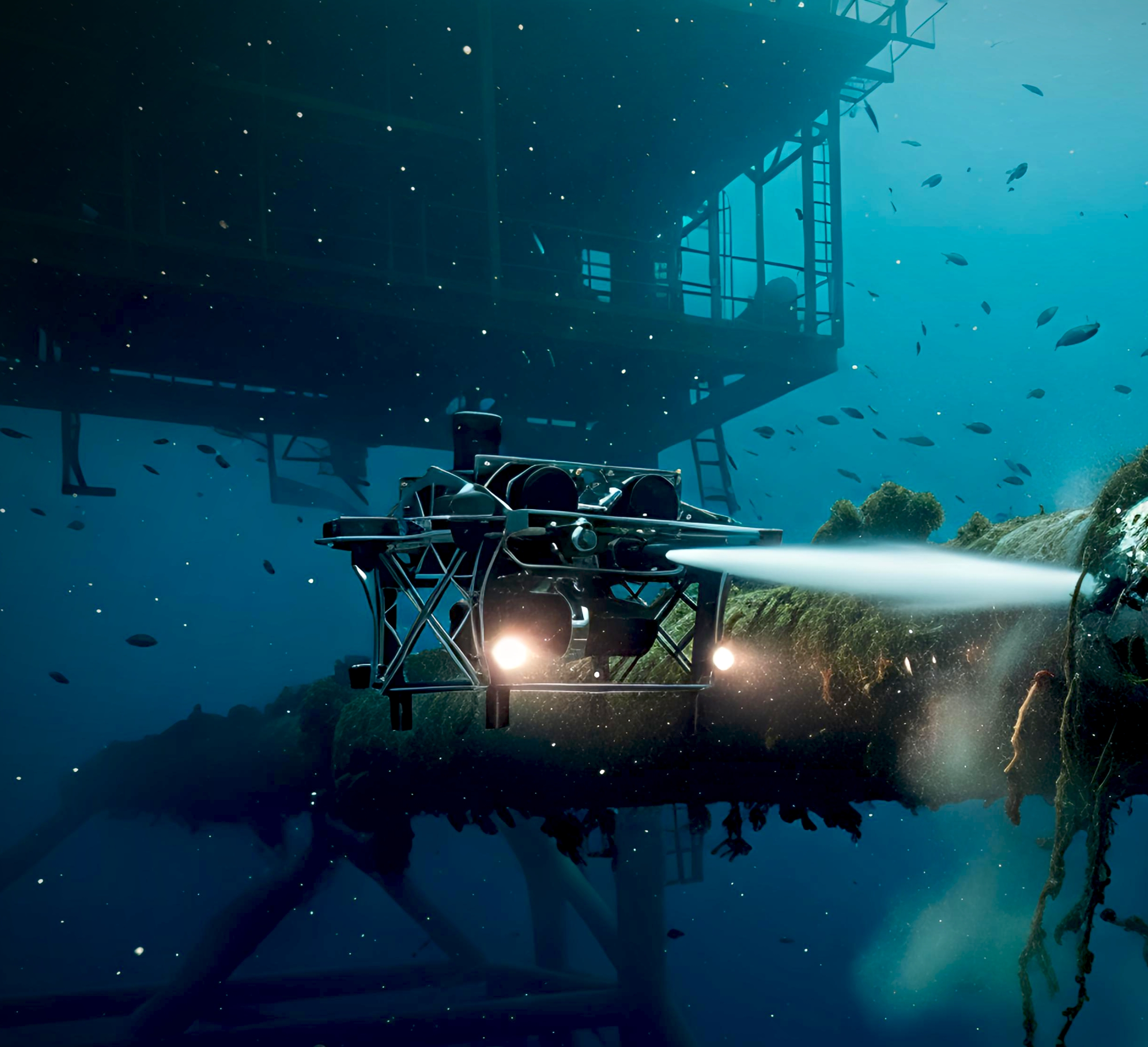
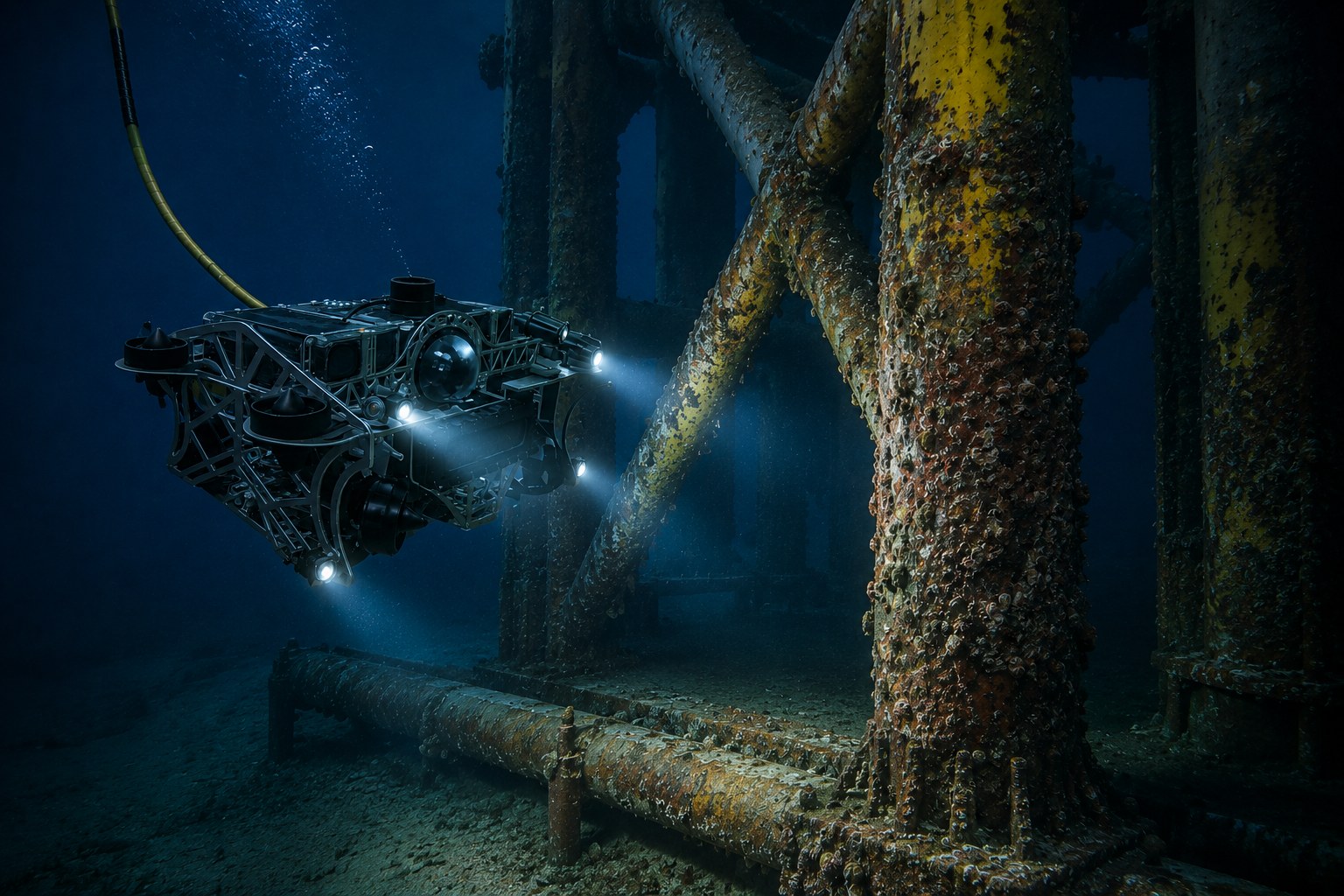
Underwater inspection uses ROVs, cameras, sonar, lighting, and measurement payloads to evaluate submerged structures without exposing divers to unnecessary risk. Coratia applies this approach to dams, bridges, ports, ships, reservoirs, pipelines, offshore platforms, and industrial water assets.

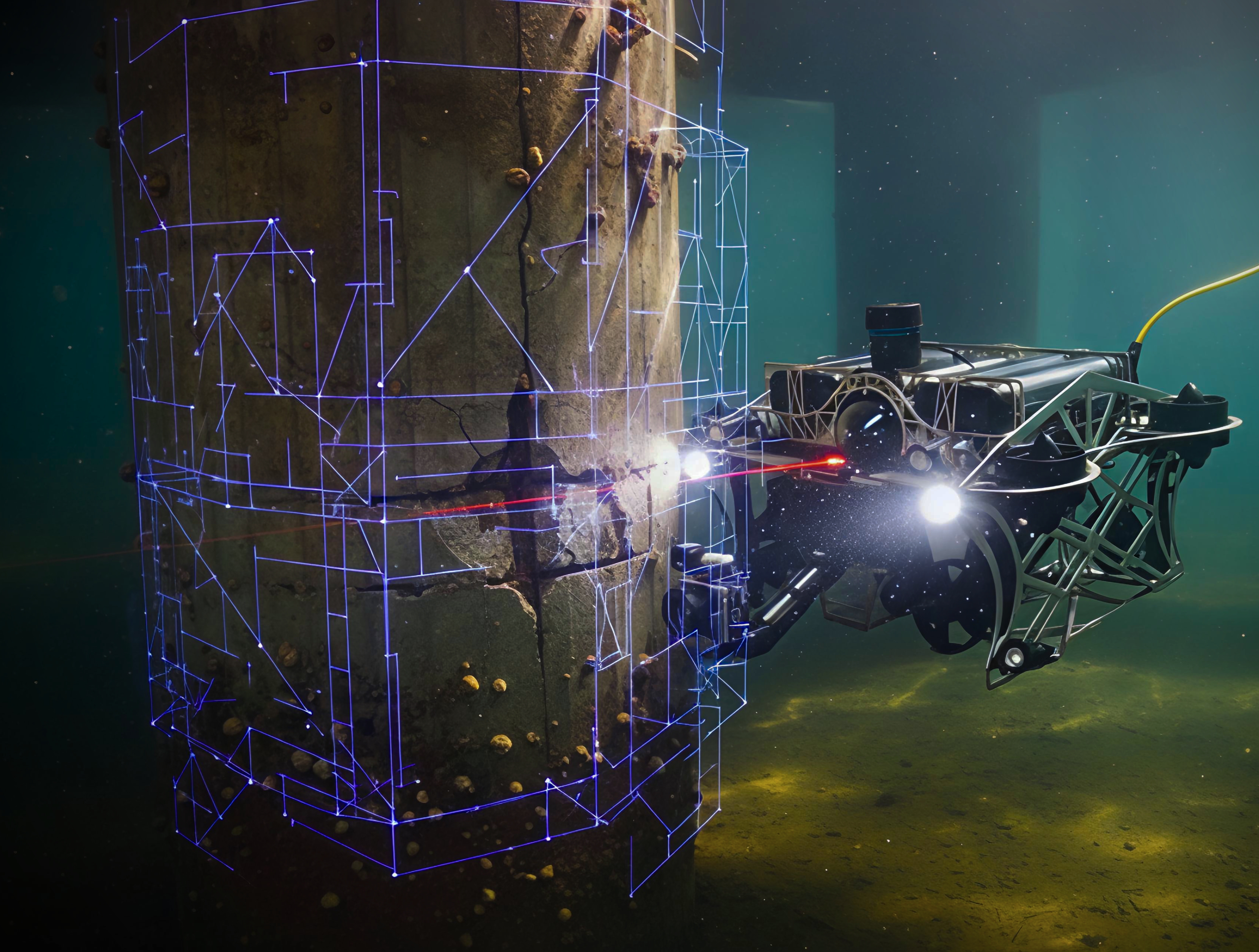
For asset owners, underwater inspection is a decision-making workflow: deploy a robotic platform, capture visual and sensor data, map findings to the structure, classify defects, and deliver evidence for maintenance planning. Coratia's ROV-led approach supports low-visibility conditions, repeat inspections, hard-to-access areas, and critical infrastructure where dewatering or shutdowns are expensive.

Bathymetric and hydrographic survey

Bathymetric and hydrographic surveys measure underwater depth, bed profile, and navigational or storage conditions. They are used for reservoirs, ports, rivers, lakes, coastal infrastructure, siltation studies, dredging decisions, and marine construction planning.

Coratia combines marine robotics, positioning, sonar, and survey workflows to help authorities and engineering teams understand underwater terrain. Survey outputs can support reservoir capacity estimation, dredging plans, bridge scour assessment, port maintenance, safety studies, and long-term monitoring of water bodies.

Dam and bridge underwater inspection

Dam and bridge underwater inspection identifies damage, siltation, scour, corrosion, cracks, leakage indicators, and structural anomalies using ROV cameras, sonar, and NDT tools. It enables safer inspections without draining reservoirs or sending divers into hazardous conditions.

Critical infrastructure teams need reliable underwater evidence before planning repairs. Coratia's robotic inspections document sluice gates, intake structures, spillways, bridge piers, piles, foundations, and surrounding bed profiles. The result is a practical record of condition, risk areas, and changes that can be compared across inspection cycles.
Key Takeaways

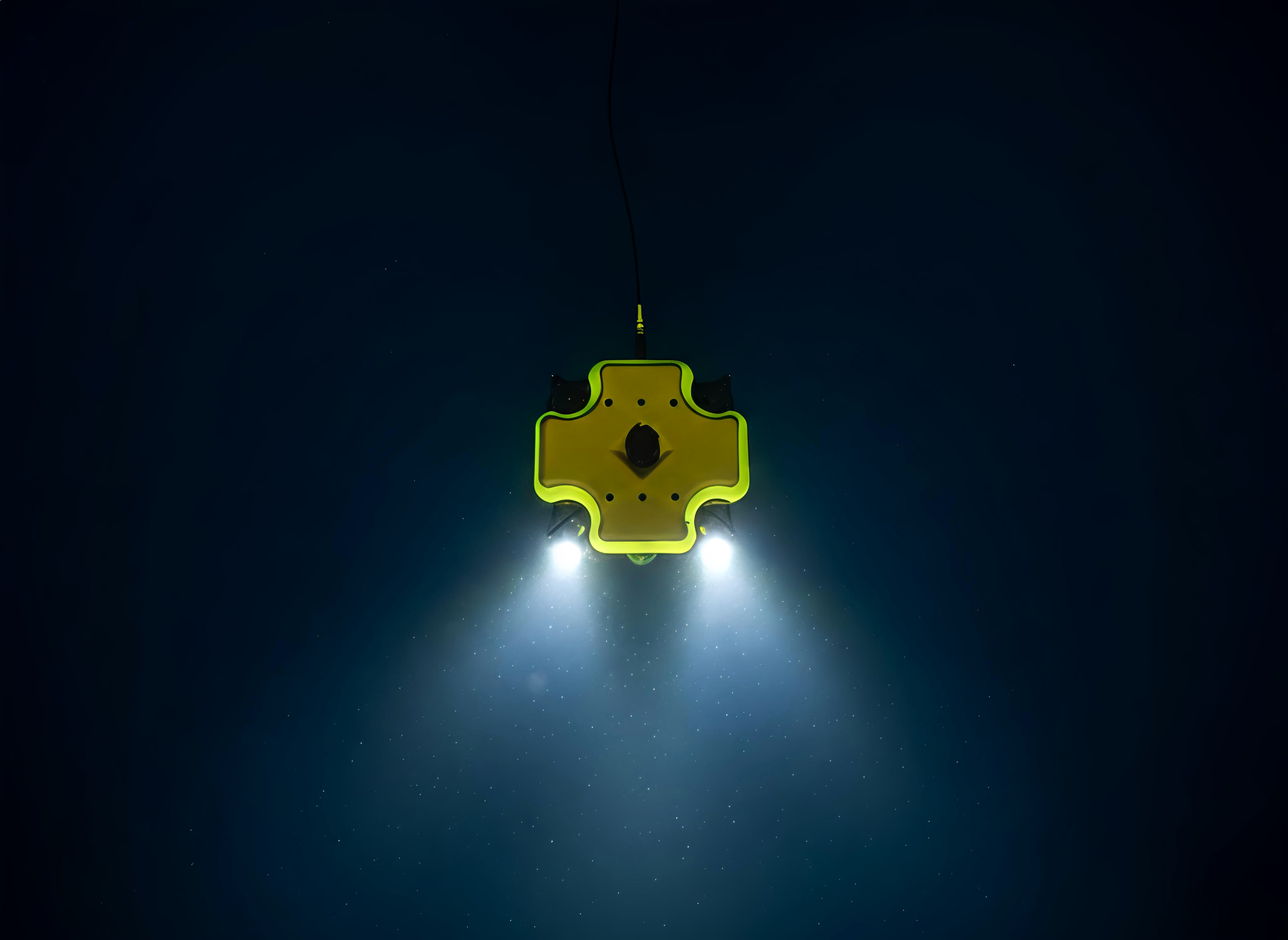
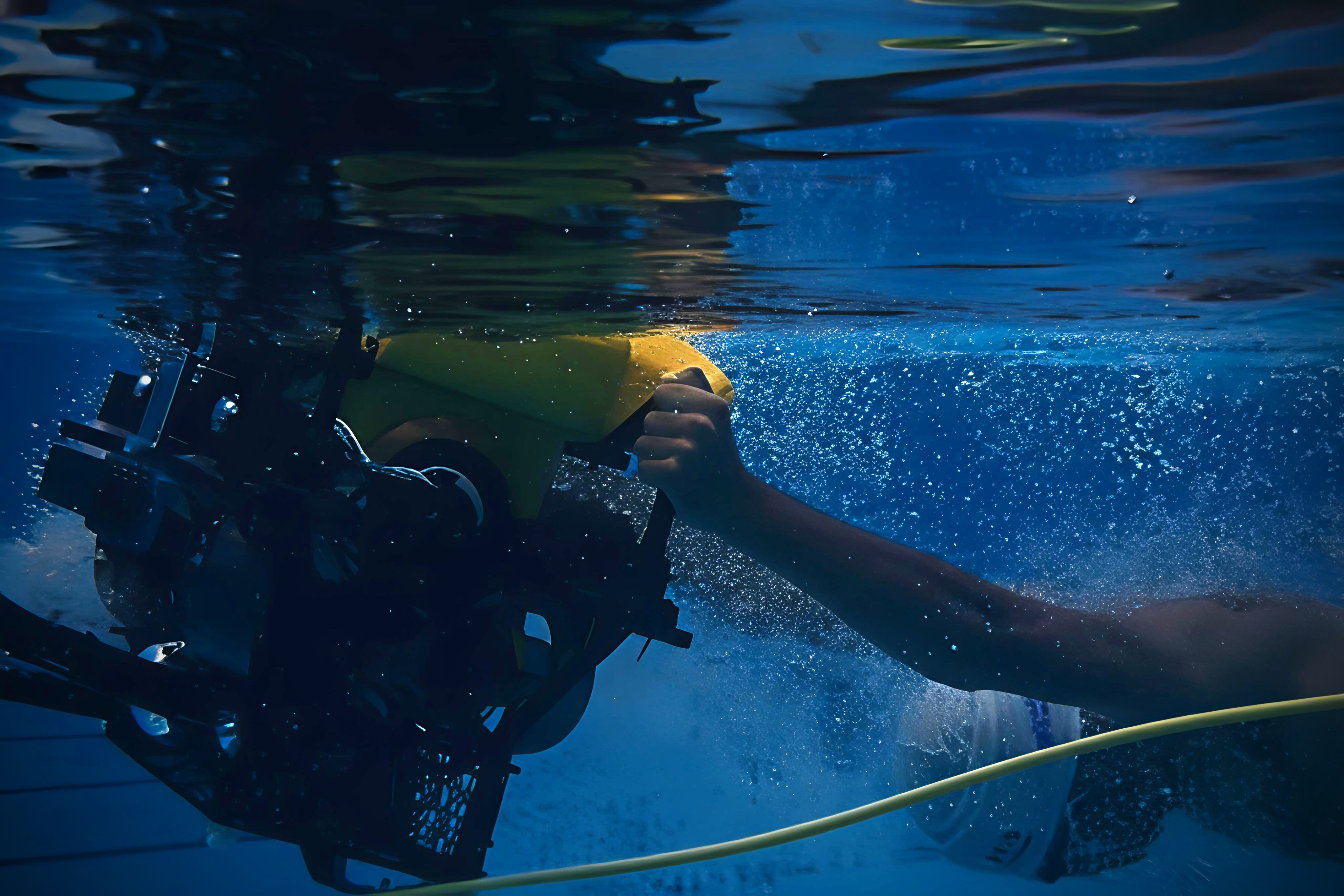
  • Coratia develops underwater ROVs, ASVs, inspection payloads and survey systems for mission-critical submerged environments.
  • Primary applications include dam inspection, bridge inspection, bathymetric survey, hydrographic survey, sonar inspection, robotic cleaning and offshore inspection.
  • Robotic inspection reduces diver risk, improves repeatability, captures visual evidence and supports maintenance decisions for critical assets.
  • Core audiences include government, defense, ports, dam authorities, infrastructure owners, offshore operators, mining, researchers and consultants.

Industry Applications

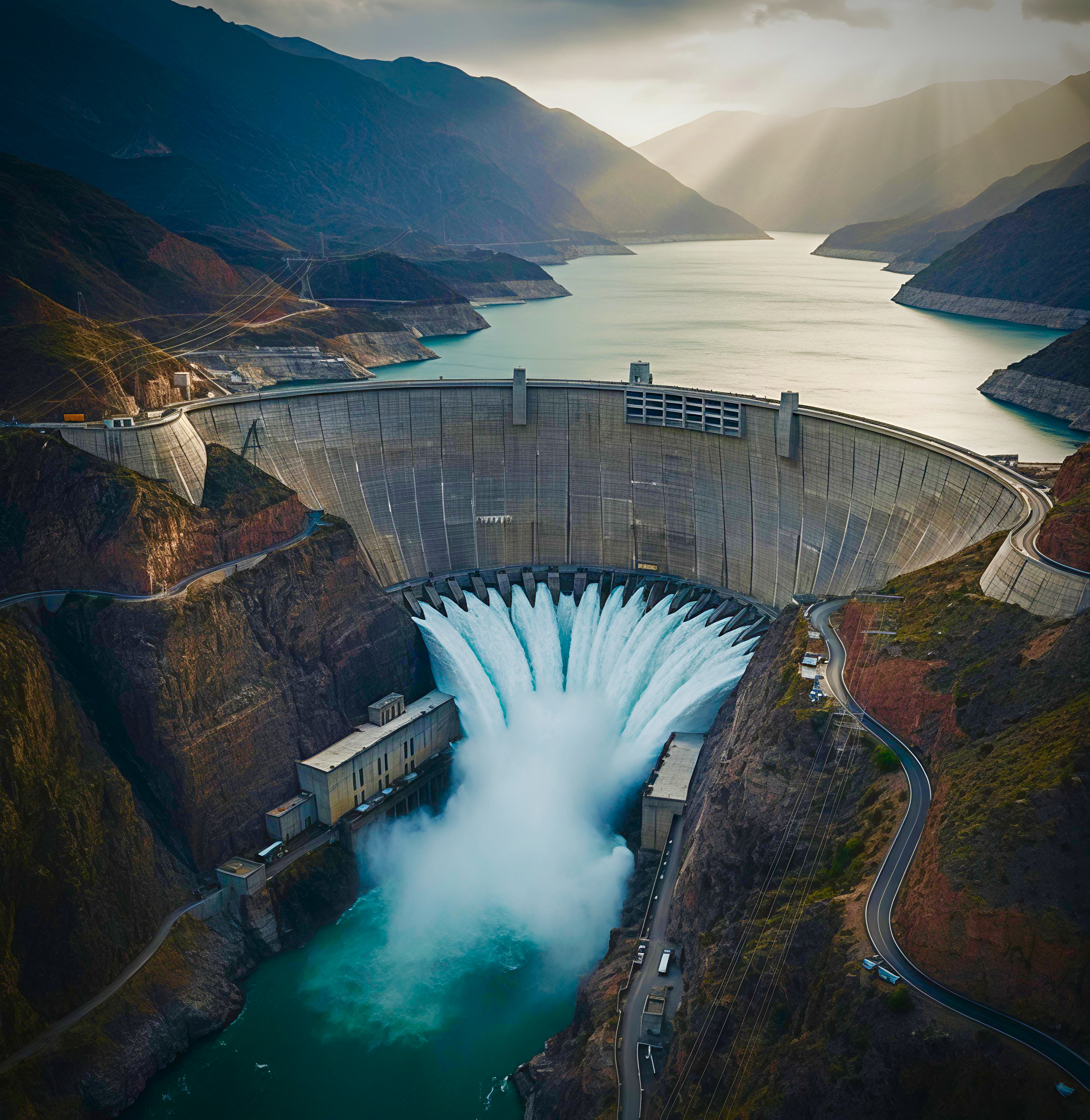
  • Dams and reservoirs: sluice gate inspection, sediment mapping, concrete condition checks and storage assessment.
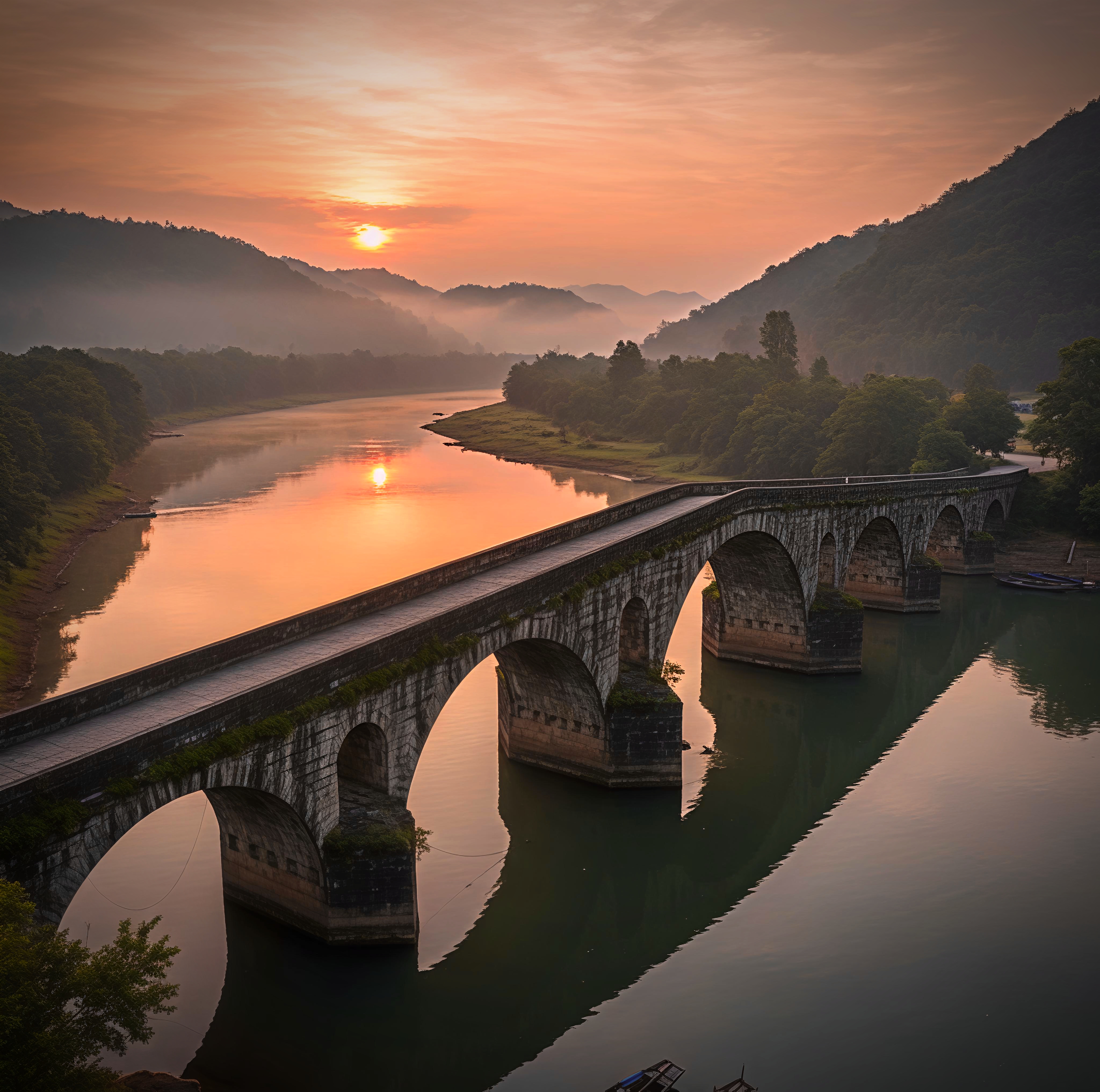
  • Bridges and civil infrastructure: foundation inspection, scour analysis, pier condition assessment and underwater documentation.
  • Ports and ships: hull inspection, propeller checks, sonar survey, bathymetry and marine growth removal.
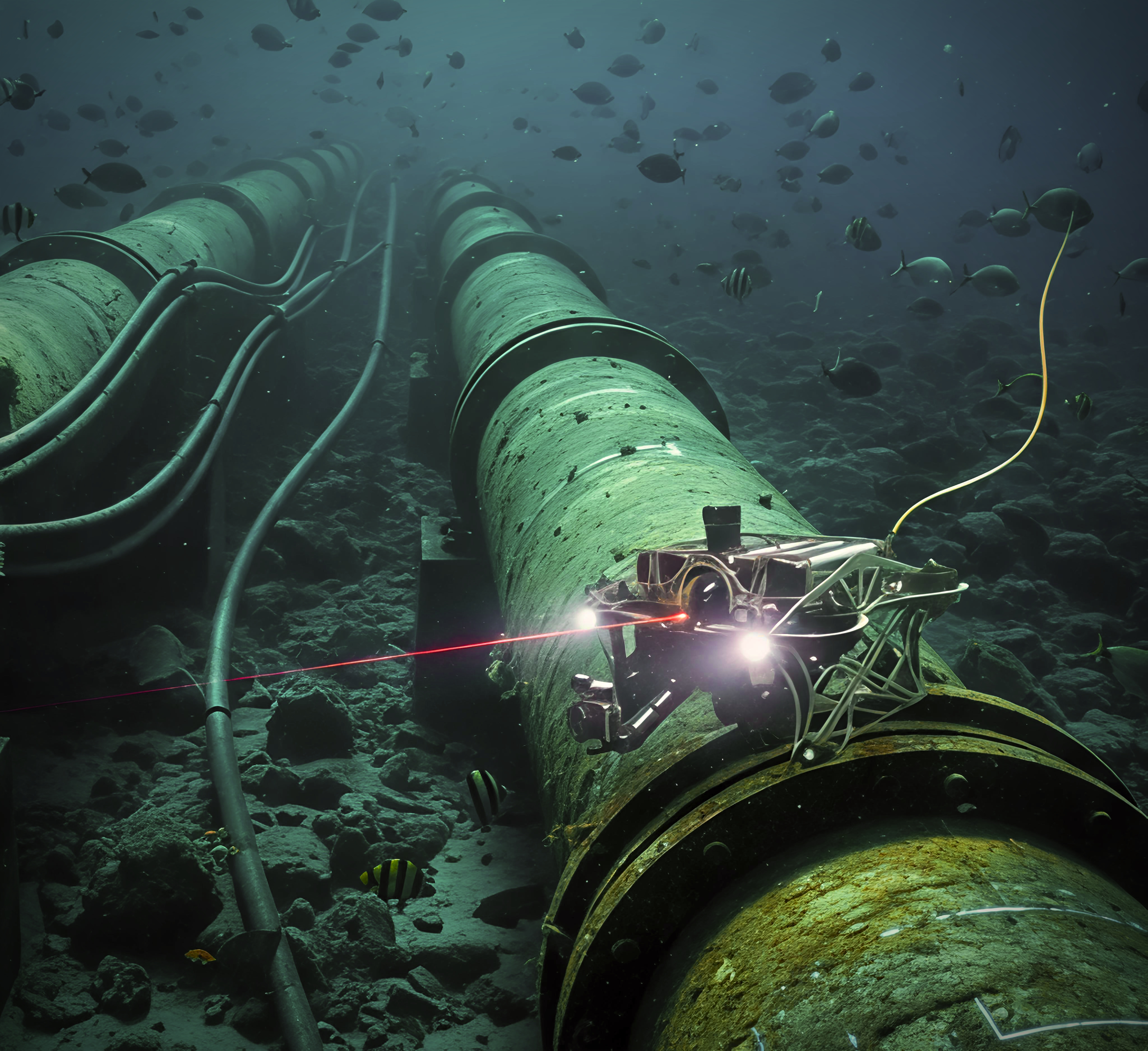
  • Oil, gas and industrial assets: pipeline inspection, corrosion monitoring, platform inspection and ultrasonic thickness measurement.

Underwater Inspection FAQ

What underwater robotics and inspection services does Coratia Technologies provide?

Coratia Technologies provides underwater robotics and inspection services including ROV-based underwater inspection, bathymetric and hydrographic surveys, dam and bridge inspection, ship and port inspection, offshore oil and gas inspection, pipeline inspection, robotic cleaning, search and rescue, and AI-based non-destructive testing (NDT).

What is ROV-based underwater inspection?

ROV-based underwater inspection uses remotely operated vehicles equipped with cameras, sensors, lighting, and specialized payloads to inspect submerged structures and underwater assets. It enables visual inspection, data collection, and condition assessment without requiring divers to perform every underwater task.

What types of underwater structures can Coratia inspect?

Coratia can support inspection of a wide range of underwater and marine infrastructure, including dams, bridges, pipelines, ship hulls, ports, offshore structures, submerged assets, and other critical infrastructure requiring underwater condition assessment.

Does Coratia provide bathymetric and hydrographic survey services?

Yes. Coratia provides bathymetric and hydrographic survey solutions for measuring underwater terrain and collecting marine data. These surveys can support applications such as depth mapping, seabed assessment, reservoir monitoring, navigation, infrastructure planning, and environmental studies.

Can Coratia perform underwater inspection for oil and gas, pipelines, ships, and ports?

Yes. Coratia provides robotic inspection solutions for offshore and industrial environments, including oil and gas infrastructure, pipelines, ship hulls, ports, and other marine assets. Depending on the mission, inspection systems can support visual inspection, corrosion assessment, thickness measurement, and other condition-monitoring requirements.

Why use underwater robotics instead of traditional diver-based inspection?

Underwater robotics can improve inspection efficiency, provide consistent visual and sensor data, and reduce the need to expose divers to challenging or hazardous underwater environments. ROV-based systems can also support operations in deeper or difficult-to-access locations while capturing inspection data for analysis and documentation.