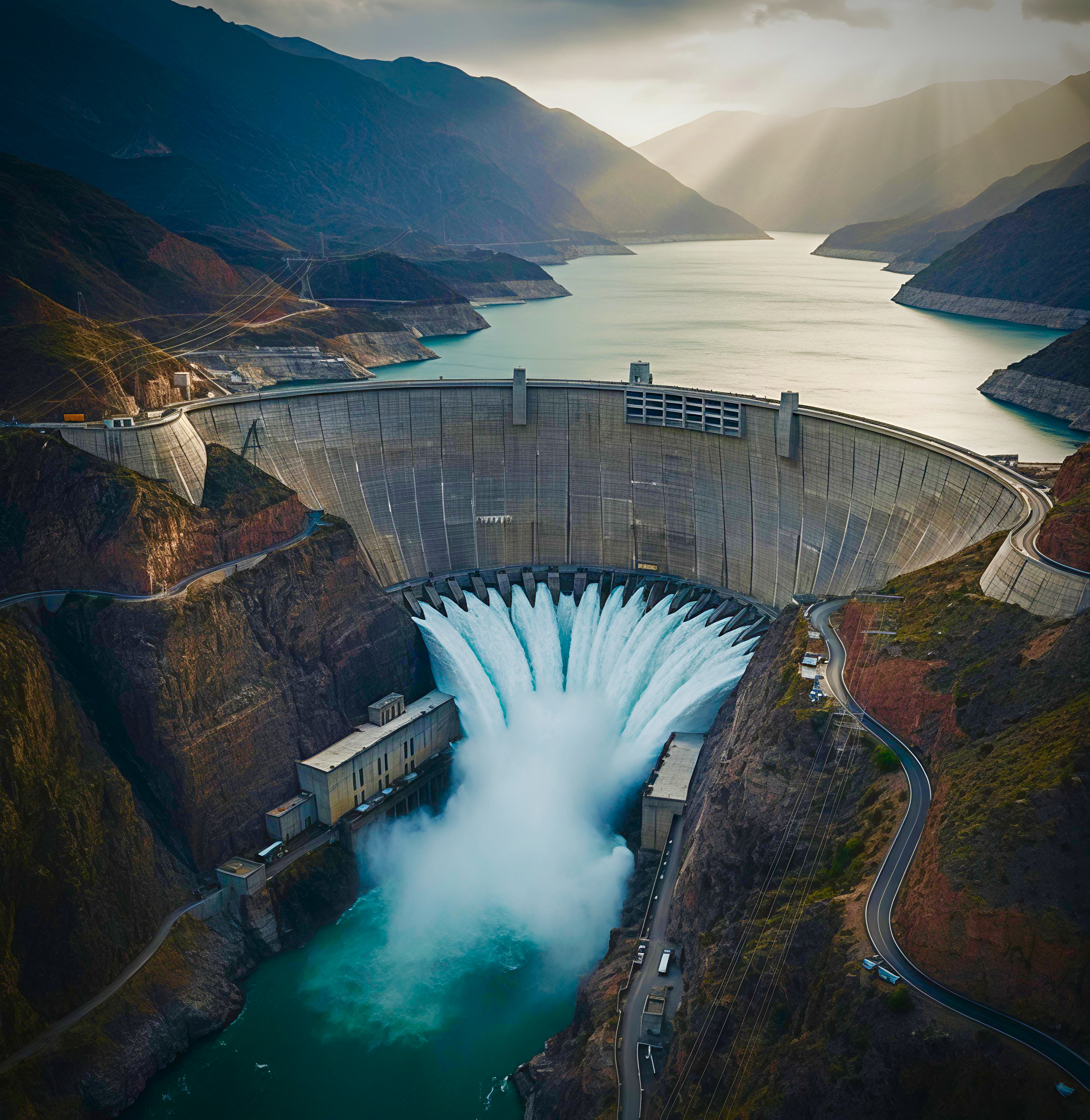
Underwater Dam Inspection by Coratia Technologies

Underwater robotics service

Underwater Dam Inspection

Underwater dam inspection uses ROV cameras, sonar, positioning, and measurement tools to document submerged gates, intakes, spillways, concrete, steelwork, sediment, and visible anomalies without dewatering the reservoir.

Overview

How the service supports asset decisions

Coratia's robotic inspection workflow is designed to help dam owners and engineering teams obtain evidence from areas that are difficult or hazardous to access. Mission planning focuses on the structure, water conditions, operational restrictions, and the observations required for maintenance planning or a specialist structural review.

Typical applications

  • Sluice gates, trash racks, intake structures, and outlet works
  • Upstream faces, spillways, joints, concrete, and submerged steelwork
  • Sediment buildup, obstruction, leakage indicators, and debris
  • Reservoir bathymetry, bed profile, and repeat condition monitoring

Method

Inspection and survey workflow

  1. 01

    Asset review

    Identify drawings, target components, previous findings, operating constraints, and safety controls.

  2. 02

    Inspection plan

    Define ROV access, coverage, imaging, sonar, and measurement requirements.

  3. 03

    Controlled survey

    Capture systematic evidence along the agreed structure and reservoir areas.

  4. 04

    Condition record

    Map observations to components and provide evidence for engineering interpretation.

Outputs

Typical deliverables

  • Component-based video and image record
  • Observed anomaly and obstruction register
  • Sonar, bathymetry, or NDT outputs when included
  • Coverage map and inspection summary

Platforms

Related robotic systems

Direct answers

Frequently asked questions

Can a dam be inspected without draining the reservoir?

Yes. ROV-based inspection allows submerged dam components to be assessed while the reservoir remains in service, subject to water conditions, access, visibility, and operational safety constraints.

What areas of a dam can an ROV inspect?

An ROV can inspect submerged gates, spillways, intake structures, concrete surfaces, joints, outlets, trash racks, and other accessible underwater components.

What defects can underwater dam inspection identify?

Inspections can document visible cracks, concrete damage, corrosion, sediment buildup, debris, leakage indicators, exposed reinforcement, and other observable anomalies.

Can sonar be used when reservoir water is highly turbid?

Yes. Imaging sonar can support navigation and structural assessment when suspended sediment or poor visibility limits conventional underwater cameras.

What information is required before a dam inspection?

Useful information includes dam drawings, component locations, water levels, access constraints, known defects, inspection objectives, operational restrictions, and any available previous inspection records.

What deliverables are provided after the inspection?

Typical deliverables include underwater video and imagery, observation and anomaly records, sonar or bathymetric outputs where applicable, coverage information, and an inspection summary for engineering or maintenance planning.

Explore related underwater services