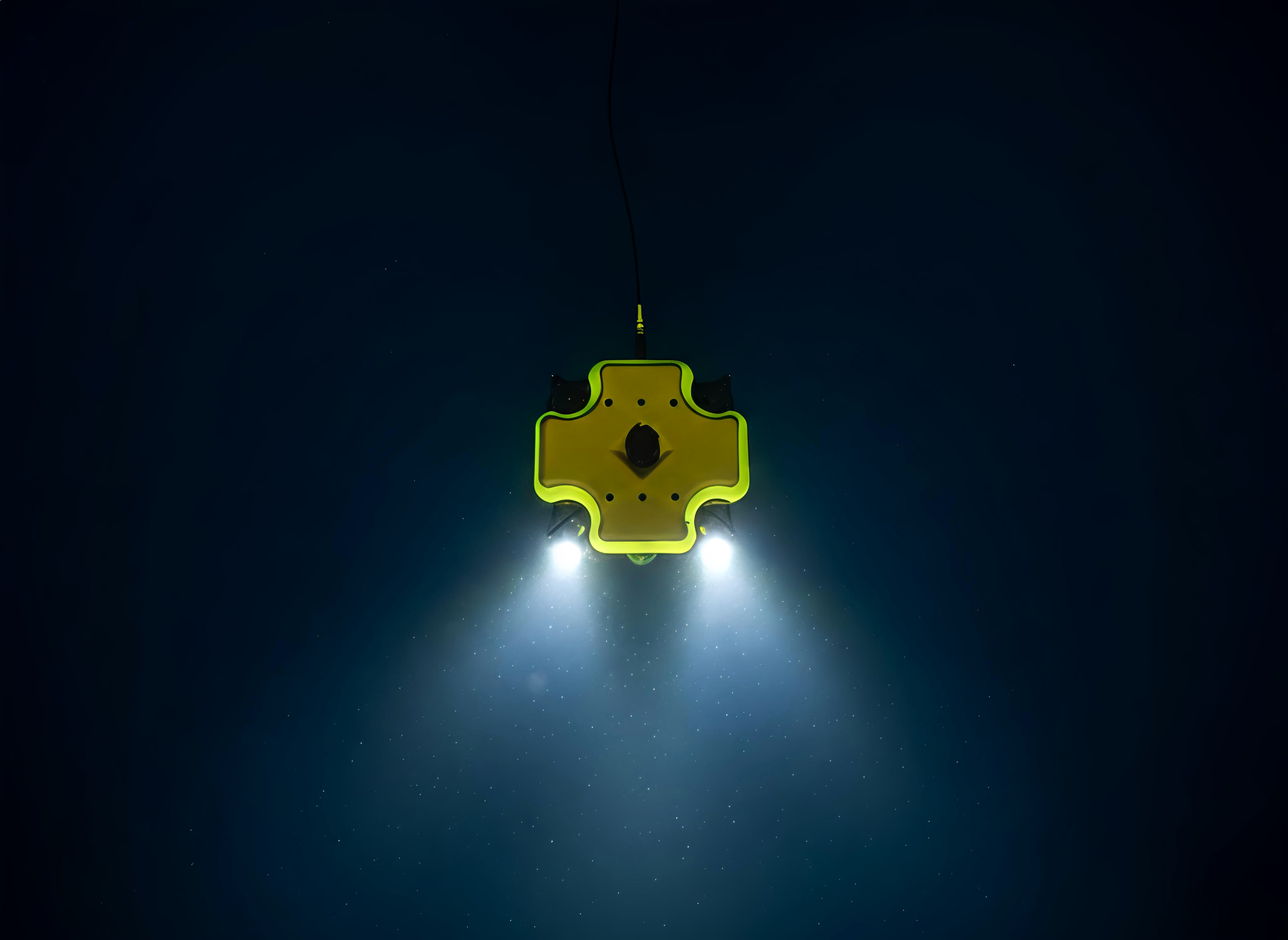
ROV Underwater Inspection by Coratia Technologies

Underwater robotics service

ROV Underwater Inspection

ROV underwater inspection uses a remotely operated vehicle equipped with cameras, lights, sonar, positioning, and measurement tools to examine submerged assets without exposing divers to avoidable risk.

Overview

How the service supports asset decisions

Coratia deploys configurable ROV systems for visual, sonar, survey, and measurement missions in low-visibility and hard-to-access underwater environments. The inspection workflow creates repeatable evidence that engineering teams can use to identify anomalies, compare asset condition over time, and plan maintenance or a closer specialist assessment.

Typical applications

  • Dam gates, spillways, intake structures, and reservoir assets
  • Bridge piers, piles, foundations, scour zones, and debris fields
  • Ship hulls, propellers, port structures, and submerged moorings
  • Pipelines, tanks, industrial water systems, and offshore infrastructure

Method

Inspection and survey workflow

  1. 01

    Mission planning

    Define the asset, inspection questions, access constraints, water conditions, and required evidence.

  2. 02

    Robotic deployment

    Configure the ROV, camera, lighting, sonar, positioning, and task-specific payloads.

  3. 03

    Data capture

    Record georeferenced or structure-referenced video, imagery, sonar, and measurements.

  4. 04

    Engineering output

    Organize observations and evidence into an inspection record for maintenance decisions.

Outputs

Typical deliverables

  • Inspection video and still-image records
  • Observation and anomaly register
  • Sonar or measurement outputs where included in scope
  • Mission summary with areas inspected and access limitations

Platforms

Related robotic systems

Direct answers

Frequently asked questions

What is ROV underwater inspection?

ROV underwater inspection uses a remotely operated vehicle equipped with cameras, lights, sensors, sonar, and other inspection tools to examine submerged structures and assets. It enables detailed data collection without requiring divers to perform every inspection task.

When should an ROV be used instead of a diver?

An ROV is particularly useful when underwater conditions are deep, turbid, confined, operationally hazardous, or difficult for divers to access. It can provide repeatable visual and sensor-based inspection data while reducing the need for personnel to enter challenging underwater environments.

What types of underwater assets can an ROV inspect?

ROVs can be used to inspect a wide range of submerged assets, including dam gates, spillways, intake structures, reservoirs, bridge piers, foundations, scour zones, ship hulls, propellers, port structures, pipelines, tanks, and offshore infrastructure.

Can an ROV perform inspections in low-visibility or challenging underwater conditions?

Yes. ROVs can be configured with underwater cameras, high-intensity lighting, sonar, and other sensors to support inspection in low-visibility and difficult underwater environments. The appropriate configuration depends on water conditions, depth, access, and inspection objectives.

What equipment can be mounted on an underwater inspection ROV?

Depending on the mission, an ROV can be equipped with HD cameras, lighting systems, imaging sonar, laser scanning equipment, thickness measurement tools, manipulators, positioning sensors, and other specialized payloads required for inspection and measurement.

What deliverables can I receive from an ROV underwater inspection?

Typical deliverables can include inspection videos and still images, georeferenced or structure-referenced observations, anomaly records, sonar or measurement data where included in the scope, and an inspection summary documenting inspected areas, findings, and access limitations.

Explore related underwater services