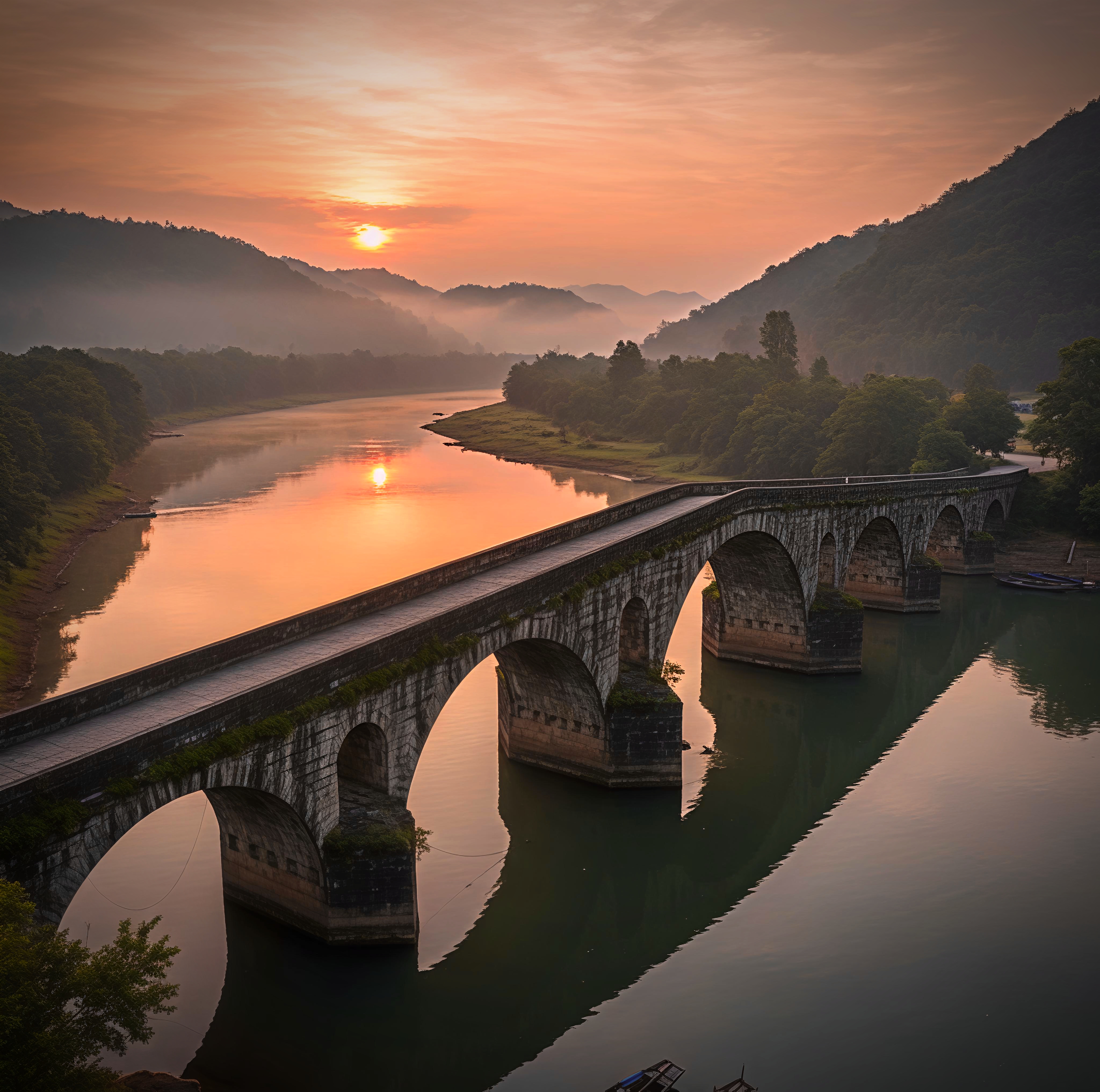
Underwater Bridge Inspection by Coratia Technologies

Underwater robotics service

Underwater Bridge Inspection

Underwater bridge inspection uses ROV video, sonar, positioning, and bed-profile measurements to assess piers, piles, foundations, scour zones, debris, and visible structural deterioration below the waterline.

Overview

How the service supports asset decisions

Coratia supports bridge owners, consultants, and infrastructure teams with repeatable underwater evidence for maintenance and risk review. The inspection can combine visual coverage with sonar and riverbed data where currents, turbidity, depth, or access make conventional observation difficult.

Typical applications

  • Piers, piles, pile caps, caissons, and foundation surfaces
  • Scour holes, riverbed changes, exposed foundations, and debris
  • Concrete damage, cracks, corrosion, and exposed reinforcement
  • Baseline surveys and comparison across inspection cycles

Method

Inspection and survey workflow

  1. 01

    Desk study

    Review bridge geometry, waterway conditions, previous reports, and inspection priorities.

  2. 02

    Coverage design

    Plan safe ROV routes, sonar use, bed profiles, and structure reference points.

  3. 03

    Field inspection

    Collect systematic visual, sonar, and measurement evidence around foundations.

  4. 04

    Reporting

    Organize observations by bridge element and document access or visibility limits.

Outputs

Typical deliverables

  • Underwater video and annotated still images
  • Pier and foundation observation register
  • Scour or riverbed profiles where included
  • Inspection coverage and limitations summary

Platforms

Related robotic systems

Direct answers

Frequently asked questions

What is bridge scour?

Bridge scour is the removal of riverbed material around piers, abutments, or foundations by flowing water. Significant scour can expose or undermine foundation elements.

Can an ROV inspect in strong current?

Feasibility depends on current speed, turbulence, tether management, vehicle thrust, access, and risk controls. These factors are assessed during mission planning.

How is an underwater bridge inspection documented?

Evidence is normally organized by structural element and may include video, still images, sonar records, bed profiles, observations, and known inspection limitations.

Explore related underwater services